
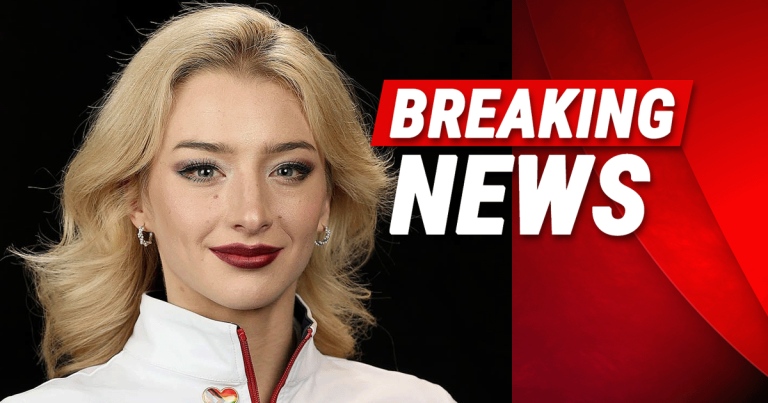
Remember when Olympic athletes actually cared about winning? There was a time when representing America meant singular focus. You trained for years. You sacrificed everything. And when you finally pulled on that Team USA jacket, you did it with pride and genuine gratitude. The mission was simple: compete, excel, and make your country proud.
Those days feel increasingly distant. Now we have athletes who treat the Olympic spotlight as their personal political platform. One Team USA figure skater recently offered a masterclass in what happens when grievance trumps dedication to your craft.
From The Post Millennial:
Team USA figure skater Amber Glenn broke down in tears after a poor performance at the Winter Olympic Games on Tuesday.
Glenn, 26, identifies as bisexual and pan sexual, and was the first openly LGBTQ woman to compete with Team USA. Leading up to the games, Glenn had talked about how it has been a “hard time” living in President Donald Trump’s America.
“It’s been a hard time for the community overall under this administration,” she said. “I know that a lot of people will say: ‘You’re just an athlete, stick to your job and shut up about politics,’ but politics affects us all. It’s something that I will not just be quiet about, because it is something that affects us in our everyday lives.”
Those words came from 26-year-old Amber Glenn before her Olympic performance. The figure skater—who identifies as bisexual and pansexual—grabbed headlines not for medal-worthy routines but for her pointed attacks on President Trump. She wanted the world’s attention. She certainly got it.
A Performance to Forget
Tuesday arrived. Glenn finally had her chance to back up all that talk with actual athletic achievement. She chose Madonna’s “Like A Prayer” for her routine. (Subtle, right?)
What followed was nothing short of a disaster.
Glenn doubled a triple loop. For those unfamiliar with skating technicalities, that’s bad. Really bad. The judges invalidated the jump entirely. When her scores flashed on the screen, the outspoken Trump critic had earned a paltry 67.39 points.
Her final placement? A humiliating 13th.
Americans expect our Olympic athletes on podiums. We expect medals, national anthems, and flags raised high. Thirteenth place? That’s not what winners deliver. Glenn was spotted crying as she left the ice—a stark contrast from the defiant activist who had lectured Americans just days prior.
The Trump Curse Strikes Again?
So what went wrong? Maybe her nerves betrayed her. Maybe the pressure overwhelmed her preparation. We can only speculate.
But here’s the thing. Plenty of observers noticed a familiar pattern unfolding. Public figures who go out of their way to attack President Trump have a strange habit of facing ironic setbacks shortly thereafter. Coincidence? Karma? Some call it the Trump curse.
I’m not saying supernatural forces tanked Glenn’s triple loop. But I am saying she might have benefited from spending less time crafting political statements and more time in practice. Just a thought.
She smeared Trump before a global audience. The scoreboard smeared her right back.
Representing Something Greater
After her flop, Glenn complained about receiving a “scary amount of hate” online. She retreated from social media, casting herself as the victim in her own story. Classic move.
But victimhood doesn’t win medals. Never has.
Here’s what Glenn apparently never understood: when you wear those stars and stripes, you represent something far bigger than yourself or your personal politics. The athletes who succeed—the ones who actually stand on podiums—embrace that responsibility with humility and gratitude. They focus relentlessly on their craft.
Glenn chose grievance instead. The scoreboard told us everything we needed to know.
Key Takeaways
- Glenn attacked Trump on the world stage, then delivered an embarrassing 13th-place performance
- Athletes who prioritize political activism often sabotage their focus on actual competition
- The curious “Trump curse” pattern continues to baffle critics and entertain supporters
- Representing America demands gratitude and dedication, not grievance and grandstanding
Sources: The Post Millennial