
For decades, the mainstream media has operated under a comfortable delusion: that the American public still trusts them. They’ve scolded us in their opinion pages, curated which leaders deserve admiration and which deserve destruction, and wrapped it all in a veneer of objectivity that stopped fooling anyone years ago. The audiences are shrinking. The subscriptions are drying up. Yet somehow, the press still speaks as though it commands the room. It doesn’t. The room left.
So what happens when someone with a bigger megaphone than every legacy newsroom combined decides to say what millions of Americans are thinking — directly to an editor-in-chief’s face, on camera, without blinking? That’s precisely what unfolded this week. And honestly, it was glorious.
From IBTimes:
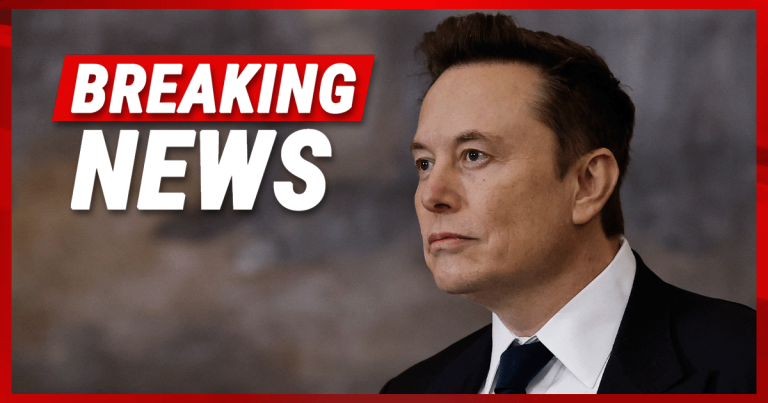
Elon Musk delivered one of the most talked-about moments from his recent interview by shutting down a claim from The Economist Editor-in-Chief Zanny Minton Beddoes that many people ‘loathe’ him, arguing instead that public distrust is directed more at the media.
The exchange, which Musk later posted on X, quickly went viral, with supporters applauding the billionaire’s comeback while critics raised fresh concerns about his growing influence over politics and public debate.
— Elon Musk (@elonmusk) July 24, 2026
The confrontation kicked off when Beddoes challenged Musk over his involvement in Western politics. “You don’t even live there,” she remarked, before pressing whether the public was comfortable with “the world’s richest man” believing he had “a right to influence our politics.” Then came the line she clearly expected to land like a sledgehammer: “It’s why people loathe you.”
Musk didn’t retreat. Didn’t apologize. Didn’t do the usual song and dance where a public figure grovels before the journalist class. “Maybe some people do loathe me and that’s probably true. I don’t care,” he replied. Hard not to respect that. He then pointed to the evidence Beddoes conveniently ignored. “A quarter billion people follow me,” he noted, referencing his audience on X. “I think a lot more people actually like me than don’t.”
But the real knockout — the moment that turned a tense interview into a viral reckoning — came when Musk redirected the lens entirely. “I think a lot more people hate you and the media more than you realize,” he declared. Beddoes offered a tepid concession that reporters do attract hostility. Musk wasn’t interested in tepid. He drove it home: “They hate you, they hate you.”
An ambush that backfired
The public response told the whole story. “That wasn’t an interview, more like an ambush,” wrote one commenter after Musk posted the clip on X. Another observed that Beddoes was “as mean as Elizabeth Warren.” The overwhelming reaction wasn’t sympathy for the journalist. It was gratitude — raw, unfiltered gratitude — that someone finally articulated what conservative Americans have understood for a generation.
Musk didn’t offer a carefully workshopped critique of journalistic standards. He didn’t commission a study on media bias. He looked a legacy media gatekeeper dead in the eye and told her the truth in plain English. That kind of directness is vanishingly rare from public figures at his level. No wonder it resonated.
Why the mirror terrifies them
Here’s the deeper irony the press will never willingly confront. Beddoes presumed to speak for “the people,” informing Musk he was loathed. But when actual people weighed in — in the comments, the shares, the quarter-billion followers who actively chose Musk over The Economist — the verdict was devastating.
And consider the final absurdity: the interview only went viral because Musk shared it on his own platform. The Economist didn’t drive that conversation. X did. The very tool legacy media dismisses as unreliable became the vehicle that proved Musk’s point. The gatekeepers no longer control the gate. They just haven’t updated their business cards.
The reckoning that’s already here
The media’s credibility crisis didn’t begin with Elon Musk, and it won’t end with him. He simply had the platform and the nerve to say what conservative Americans have recognized for years: the press doesn’t speak for the people. It speaks at them. When a journalist tells a man with a quarter-billion followers that he’s “loathed” — and the world cheers his response — maybe the newsroom should finally try looking in the mirror instead of lecturing the rest of us about what we see in ours.
Key Takeaways
- Musk exposed the media’s credibility collapse by saying what millions already believe.
- Legacy journalists no longer speak for the public — they lecture at them.
- The viral clip spread on X, not through The Economist, proving gatekeepers lost control.
- Public trust belongs to those who earn it, not those who demand it.
Sources: DailyWire, International Business Times UK