
Wars don’t end on schedule. They end when the last objective is met, the last shot is fired, and the last service member boards a flight home. Everything in between is Washington making promises — and Washington has a long, humbling track record with those.
We’re nearly a month into Operation Epic Fury, and by the numbers, the U.S. military has been nothing short of devastating. CENTCOM reports over 10,000 targets struck. Ninety-two percent of Iran’s large naval vessels are gone. Gulf states that spent a decade playing footsie with Tehran — Saudi Arabia, the UAE, Qatar — are suddenly lining up behind Washington. Funny what a few hundred Iranian missiles landing on your soil will do to clarify your friendships.
But there’s a cost column. Thirteen American service members are dead. Another 303 wounded, over 75 percent from traumatic brain injuries. The Strait of Hormuz remains contested, and Trump just extended his energy-strike deadline to April 6. If we’re winning so decisively, why does the finish line keep moving?
A new timeline from Paris
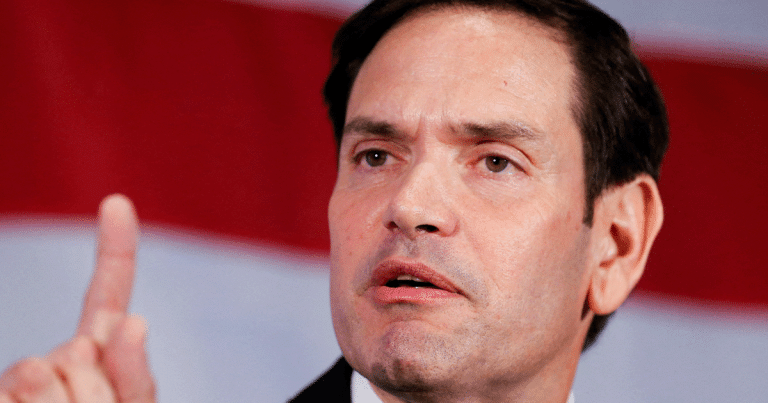
That’s the backdrop for a striking claim Friday from Secretary of State Marco Rubio at the G7 foreign ministers’ meeting in France.
From Fox News:
“We are ahead of schedule on most of them, and we can achieve them without any ground troops,” Rubio said, telling reporters the U.S. expects the war to conclude in a matter of “weeks, not months.”
Bold words — and Rubio wasn’t done. He took a clean shot at European allies content to wag their fingers while Americans do the bleeding: “I don’t work for France or Germany or Japan. The people I’m interested in making happy are the people of the United States.”
Hard to argue with that.
The Pentagon tells a slightly different story
Here’s my problem. The same day Rubio said no ground troops would be needed, a senior defense official confirmed the Pentagon is weighing 10,000 additional combat troops for the region — with Axios reporting that planners are actively drawing up options for a “final blow” that could include ground forces.
Rubio calls that contingency planning. Maybe it is. Call me old-fashioned, but when you’re shipping 10,000 soldiers to the theater while your top diplomat says they won’t be necessary, that gap deserves more than a shrug.
And U.S. intelligence can only confirm about a third of Iran’s missile arsenal has actually been destroyed. Another third is unaccounted for — possibly damaged, possibly buried in tunnels, possibly ready to launch tomorrow.
What actually ends this
I want Rubio to be right. The military results have been extraordinary, and the coalition rallying behind American strength — Saudi Arabia opening King Fahd Air Base, the UAE cutting ties with Tehran — is a vindication of peace through strength.
But I’ve watched enough wars to know that “weeks, not months” ages poorly. The real measure won’t be how fast we degraded Iran’s military. It’ll be whether the Strait is open, the nuclear program is finished, and every one of those 303 wounded Americans makes it home.
That’s the only timeline worth counting.
Key Takeaways
- Rubio predicts the Iran war concludes in weeks without ground troops.
- U.S. intelligence confirms only one-third of Iran’s missiles are destroyed.
- The Pentagon is weighing 10,000 additional troops despite Rubio’s reassurances.
- Real victory means an open Strait of Hormuz, no nuclear program, and troops home.