Imagine walking into a pharmacy and being told you’ll pay three times what a customer in Paris or Tokyo pays for the exact same pill. No special formula, no premium version – just a bigger bill because you happen to live in the United States.
That’s been the reality for American families for decades. The U.S. has long paid nearly three times what other developed nations spend on prescription drugs – a fact that every politician in Washington has lamented and virtually none have fixed. Administrations came and went. Promises piled up like unpaid invoices. The pharmaceutical lobby wrote checks, and Congress looked the other way.
Sound familiar? It should. We’ve been hearing this song our entire lives. But last Friday, something concrete actually happened – and I mean concrete with a dollar sign attached.
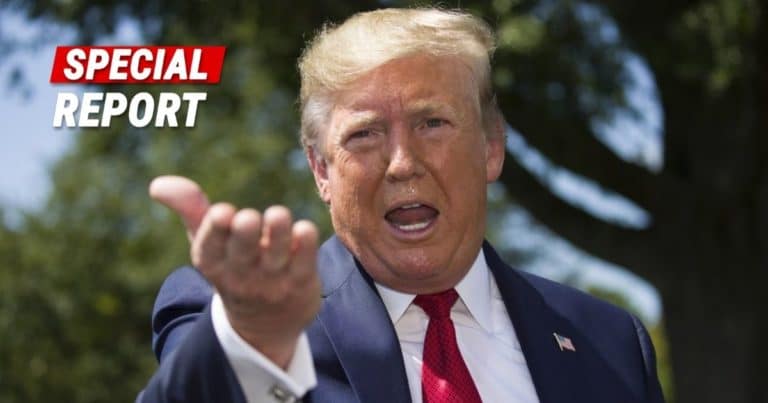
President Trump announced from the Oval Office that his most-favored-nation drug pricing agreements with pharmaceutical companies are officially being extended to Medicaid programs in all 50 states, Washington, D.C., and Puerto Rico. Through the GENEROUS Medicaid Payment Model, states will receive rebates ensuring they never pay more than the MFN price on expensive brand-name drugs. Twenty-six major pharmaceutical companies – from Eli Lilly and Novo Nordisk to AstraZeneca and AbbVie – have signed on voluntarily.
Billions back in state coffers
The numbers are staggering. The Council of Economic Advisers projects over $64 billion in combined savings – $27.6 billion flowing back to state governments and $36.6 billion to the federal government over the next decade. Trump himself suggested the real figure could reach $100 billion. Let that number settle for a moment.
From President Trump’s Oval Office announcement:
“The Council of Economic Advisers estimates that the most-favored-nation deals that we’re extending to states today will save Medicaid over $64 billion, and that’s over a relatively short period of time. Every state will now have the ability to use those extra billions of dollars to invest in other healthcare improvements.”
Perhaps the most delicious detail? Even Democrat-run states are lining up. As CMS Administrator Dr. Mehmet Oz put it, “It is such a good deal that every state realized they need to take it.” When your political opponents can’t bring themselves to refuse your offer, you’ve done something right.
Big Pharma cries wolf
Right on cue, the pharmaceutical lobby rolled out its well-worn playbook. PhRMA chief Steve Ubl called the policy “importing foreign prices from socialist countries,” warning it would threaten innovation and investment.
Let me get this straight – twenty-six companies voluntarily signed these deals, and that’s socialism? Nobody marched into Eli Lilly’s boardroom with a mandate. These companies looked at the terms, ran the numbers, and agreed. That’s called a negotiation. That’s the free market doing what the free market does when someone on the other side of the table actually knows what they’re doing.
Here’s a question the legacy media won’t ask: if these deals are so devastating to pharma, why do the companies keep signing them? Maybe – just maybe – the real scandal was never threatened innovation. It was American taxpayers subsidizing the rest of the world’s drug costs while their own bills climbed every single year.
Promises kept, again
What gets me is the simplicity of the whole thing. No thousand-page omnibus bill. No new federal agency. No army of bureaucrats. Just leverage, negotiation, and results – government operating the way a well-run business would.
With midterms approaching, I’d encourage every reader to remember who actually delivered on the drug pricing promises Washington has been making and breaking for a generation. The coupon is finally in American hands. The only question is whether we keep the people in charge who made it happen – or hand the keys back to the same people who spent decades telling us it couldn’t be done.
Key Takeaways
- Trump’s MFN drug deals now extend to all 50 state Medicaid programs, saving an estimated $64 billion.
- Twenty-six pharmaceutical companies signed voluntarily – free-market negotiation, not government mandate.
- Even Democrat-led states accepted, proving results speak louder than partisan politics.
- American taxpayers are finally getting the same drug prices the rest of the world has enjoyed for decades.