
Some institutions used to feel permanent. The brands our parents and grandparents built their lives around didn’t just sell entertainment — they reflected something real about American culture. Family movie nights, Saturday morning cartoons, and trips to the theme park. These companies understood a basic contract: give people what they love, and they’ll keep coming back. Simple enough, right?
Apparently not. Over the last decade, a peculiar sickness spread through corporate America. Boardrooms stopped caring what customers actually wanted and started telling them what to think instead. Beloved brands swapped their identities for ideological bumper stickers, and the results have been catastrophic. One company — arguably the most iconic entertainment brand this country has ever produced — is now bleeding out on the operating table. And the diagnosis isn’t complicated.
From The Post Millennial:
“Over the past several months, we have looked at ways in which we can streamline our operations in various parts of the company to ensure we deliver the world-class creativity and innovation our fans value and expect from Disney. Given the fast-moving pace of our industries, this requires us to constantly assess how to foster a more agile and technologically-enabled workforce to meet tomorrow’s needs. As a result, we will be eliminating roles in some parts of the company and have begun notifying impacted employees.”
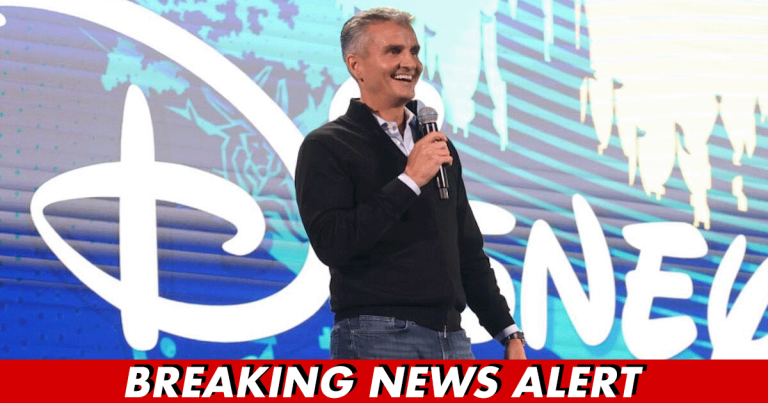
That sanitized corporate language comes from a memo by Josh D’Amaro, Disney’s new CEO, informing staff that roughly 1,000 of them no longer have jobs. “Agile and technologically-enabled workforce.” You have to admire the audacity of that phrasing when what you really mean is “you’re fired.”
Marvel Studios absorbed the worst of it. Around eight percent of its workforce got the axe, spanning film and television production, comics, franchise management, and corporate operations. But the real gut punch? Disney eliminated nearly the entire visual development division at Marvel — the Academy Award-winning team of artists and illustrators who designed the characters, environments, and signature imagery that defined the Marvel Cinematic Universe from Iron Man all the way through Avengers: Endgame. A handful of staffers remain. Everyone else is gone. Future work gets shipped to outside contractors.
Let that sink in. The people who literally drew the MCU into existence just got walked out the door.
A decade of drift
None of this happened in a vacuum. Disney didn’t wake up one Tuesday and discover it was hemorrhaging money and talent. This catastrophe was assembled brick by brick over ten years of relentless ideological posturing.
It started slowly. A heavier hand with progressive messaging in films. Characters that felt engineered by committee rather than born from genuine creativity. Then Disney got bolder. The company publicly declared war on Florida’s Parental Rights in Education law, essentially wagging its finger at millions of conservative parents and telling them their concerns about what their kids learn in school were bigotry. Bold strategy for a company whose entire business model depends on those same families buying tickets and merchandise.
Content quality cratered in tandem. Marvel releases that once generated genuine cultural excitement started feeling like obligation viewing — heavy on messaging, light on storytelling. Former CEO Bob Iger eventually acknowledged a staggering four billion dollars in losses. Box office returns on previously bulletproof Marvel properties collapsed. The streaming division bled cash. Every indicator told the same story.
American families — Disney’s bread and butter since 1923 — simply walked away. Not with protests or boycotts, necessarily. Most people just quietly stopped showing up. That’s the most devastating kind of rejection. It’s not angry. It’s indifferent.
Who really pays the price
Here’s what makes this genuinely infuriating. The thousand employees clearing out their desks this week aren’t the ones who decided Disney should become a progressive advocacy organization. They’re artists. Production staff. Finance and legal teams. The people who actually made things work while executives were busy picking political fights and collecting bonuses.
D’Amaro’s memo assures the displaced workers that the layoffs “are not a reflection of their contributions.” Imagine hearing that while you’re packing up your desk lamp because someone three levels above you thought lecturing parents about gender ideology was more important than making good movies.
The promise of a “more agile workforce” translates plainly enough: replace dedicated full-time employees with cheaper freelancers who carry none of the institutional knowledge that made these studios legendary. It’s the final indignity. Leadership drives the company into a ditch, and the crew in the back seat pays the tow bill.
If Disney wants to be anything more than a cautionary tale in ten years, somebody inside that building needs to rediscover a basic truth. Your audience isn’t a Twitter hashtag. It’s a grandmother taking her grandkids to the movies on a Saturday afternoon. And she has options now.
Key Takeaways
- Disney laid off 1,000 employees, devastating Marvel’s award-winning visual development team.
- A decade of progressive ideology over storytelling produced billions in documented losses.
- Rank-and-file artists are paying the price for executives’ ideological mismanagement.
- The free market punishes companies that lecture customers instead of entertaining them.
Sources: The Post Millennial, MSN